
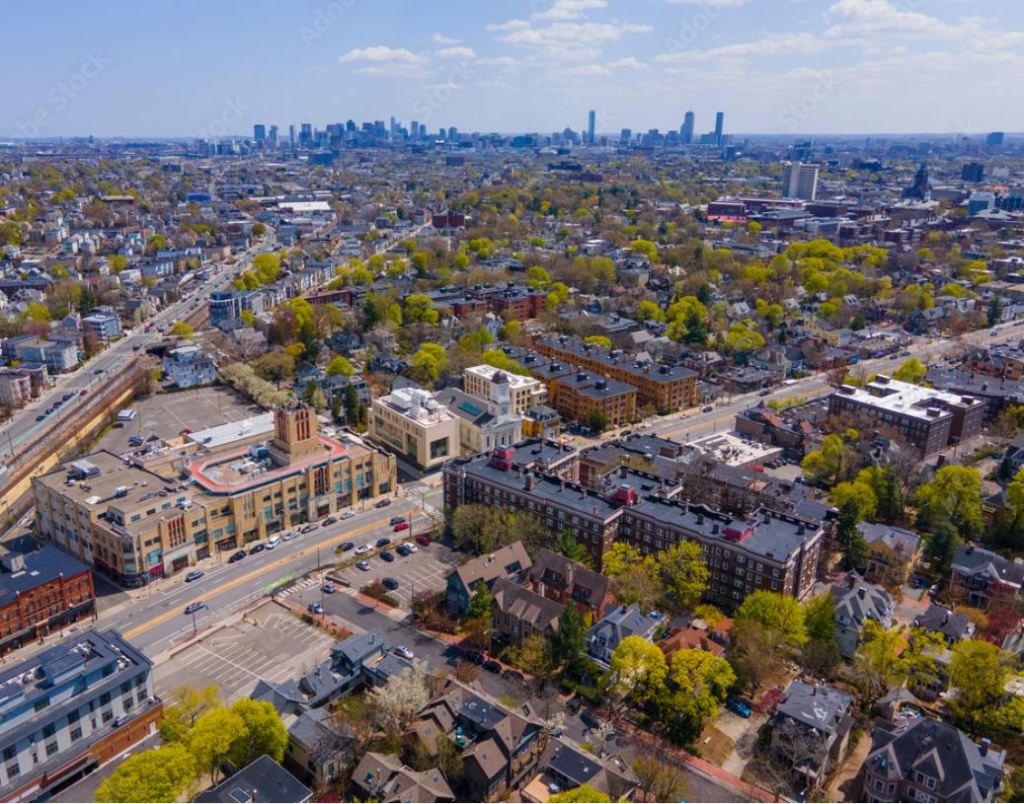
In a major victory for the pro-housing YIMBY movement, the Cambridge City Council has voted to eliminate exclusionary single-family zoning, a change that could significantly boost the city’s housing supply over the next 15 years.
The move allows multifamily buildings up to six stories to be built in all parts of the city, including those previously restricted to single-family homes, Boston.com reported.
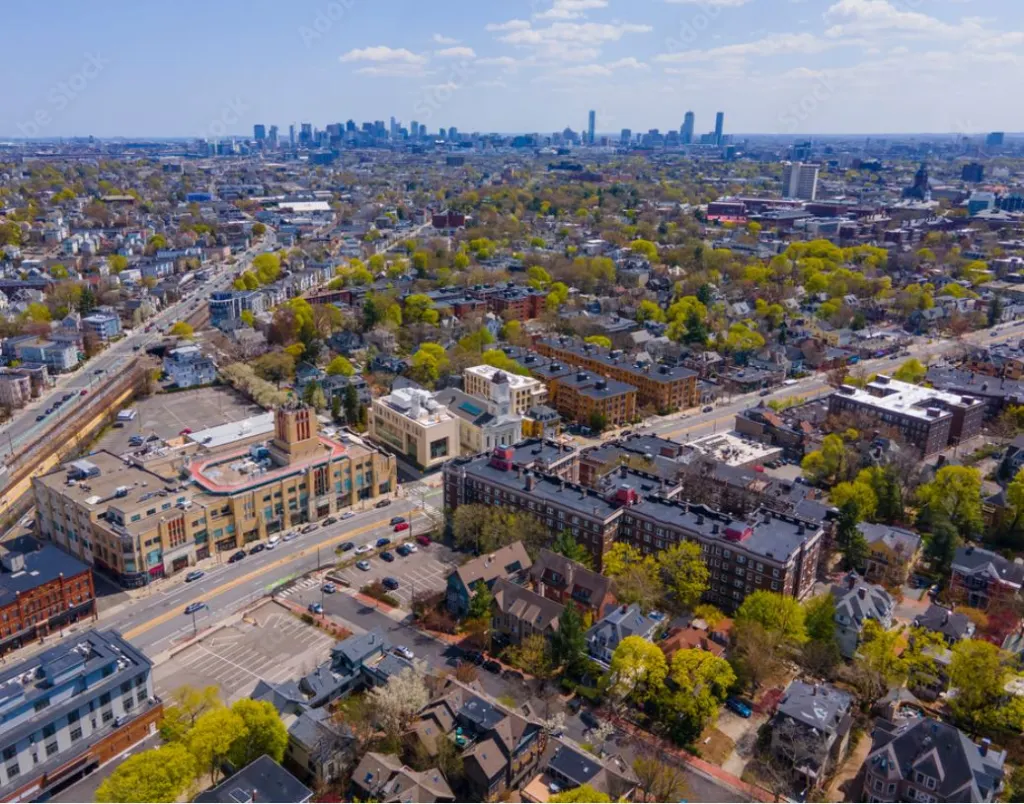
The zoning overhaul also removes minimum parking requirements and loosens regulations around lot size, unit count, and floor-area ratios for buildings under 75,000 square feet.
While the measure passed with broad support, Councilor Catherine Zusy was the lone dissenting vote, citing concerns that developers may prioritize luxury housing at the expense of affordability.
“Developers could take advantage of the changes to produce largely luxury homes and buildings, threatening to displace long-time residents,” Zusy warned, according to The Real Deal.
Despite the concerns, proponents of the zoning reform argue that it will address the region’s housing crisis by significantly increasing supply.
Under the previous zoning rules, Cambridge was expected to add only 350 housing units over the next 15 years. With the new policy in place, the city could see more than 4,800 units built in the same period, according to estimates from their local Community Development Department.
The reform also mandates affordability measures, requiring that at least 20 percent of units in buildings with 10 or more apartments be designated as affordable housing.
Economists widely agree that increasing housing supply improves affordability and diversity, though opposition from some local homeowners remains strong.
Cambridge, home to Harvard University and the Massachusetts Institute of Technology, is currently the most expensive rental market in Massachusetts, with a median rent of $2,900 for a one-bedroom apartment, The Real Deal reported.
While upzoning is a critical tool for addressing housing shortages, rising economic rents often absorb the gains from increased development.
Without structural reforms such as a shift to land value taxation, much of the wealth generated by a housing boom risks being captured by landowners rather than benefiting the broader community through stabilized rents and housing prices.
Councilor Zusy’s concerns over the newer housing developments becoming only high-end luxury apartments are legitimate, however, cities that remove zoning restrictions could also benefit greatly from another urban development policy tool: land value capture (LVC).
LVC is a policy tool that allows local governments to recover a portion of the increased land value that results from public investments, such as new infrastructure, transit improvements, or rezoning for higher-density development.
In Cambridge, where rising property values often lead to displacement and affordability concerns, LVC could help fund essential services like affordable housing, public transit, and green spaces.
For example, when new developments or biotech expansions increase land values, the city could implement impact fees, special assessments, or a land value tax to ensure that the broader community, not just real estate firms, benefits from economic growth.
By reinvesting these funds into public goods, LVC would promote more sustainable urban development in Cambridge.

 The Daily Renter
Leave a comment