

Land prices in Australia have reached new heights, significantly outpacing both inflation and construction cost increases, as supply challenges continue to affect the housing market.
Urban areas, particularly in Australia’s capital cities, are seeing the largest price hikes, with the median land price jumping 9.2 percent to $408,160. Perth and Brisbane are among the leaders, experiencing exceptional growth at 38.6 percent and 21.2 percent, respectively.
HIA economist Maurice Tapang remarked on the extraordinary speed of this growth in an article for Elite Agent, saying that land prices have escalated “three times faster than the Consumer Price Index and five times faster than the cost of building materials.”
While regional areas have seen more moderate price increases, with a 2.0 percent rise pushing the median to $281,910, some regions are seeing strong market activity. Sales in these areas have increased by over 50 percent compared to the previous year.
Sydney’s land market remains under pressure, with prices up 7.2 percent, despite slower building activity. Tapang explained, “The cost of bringing shovel-ready land to market in Sydney remains high.”
CoreLogic economist Kaytlin Ezzy highlighted broader challenges within the housing market in the Elite Agent article, stressing that affordability remains a critical issue.
“Rising land prices, coupled with ongoing construction cost pressures and sustained high interest rates, are making homeownership increasingly out of reach for many Australians,” she said.
This situation is threatening the government’s housing targets, with new dwelling approvals falling short by 17.8 percent compared to the decade average and nearly 30 percent below the annual target needed to meet housing objectives.
Tapang called for more government intervention.
“The persistent lack of land for residential development, both in new areas and urban infill projects, remains a major barrier to meeting housing supply needs. Without action, the government’s goal of building 1.2 million homes over the next five years is at risk.”
He urged governments to release more land and invest in essential infrastructure to help ease land price pressures and support greater homeownership.
As Australia faces rising land prices and housing affordability challenges, experts from Prosper Australia call for a major shift in the tax system. Prosper Australia is an independent, non-profit membership-based association “with a focus on the management of exclusive and essential resource allocation through tax”.
The current system taxes income and productivity, but a fairer approach would focus on taxing unearned wealth, such as land rents and monopolistic profits, while reducing taxes on work and investment.
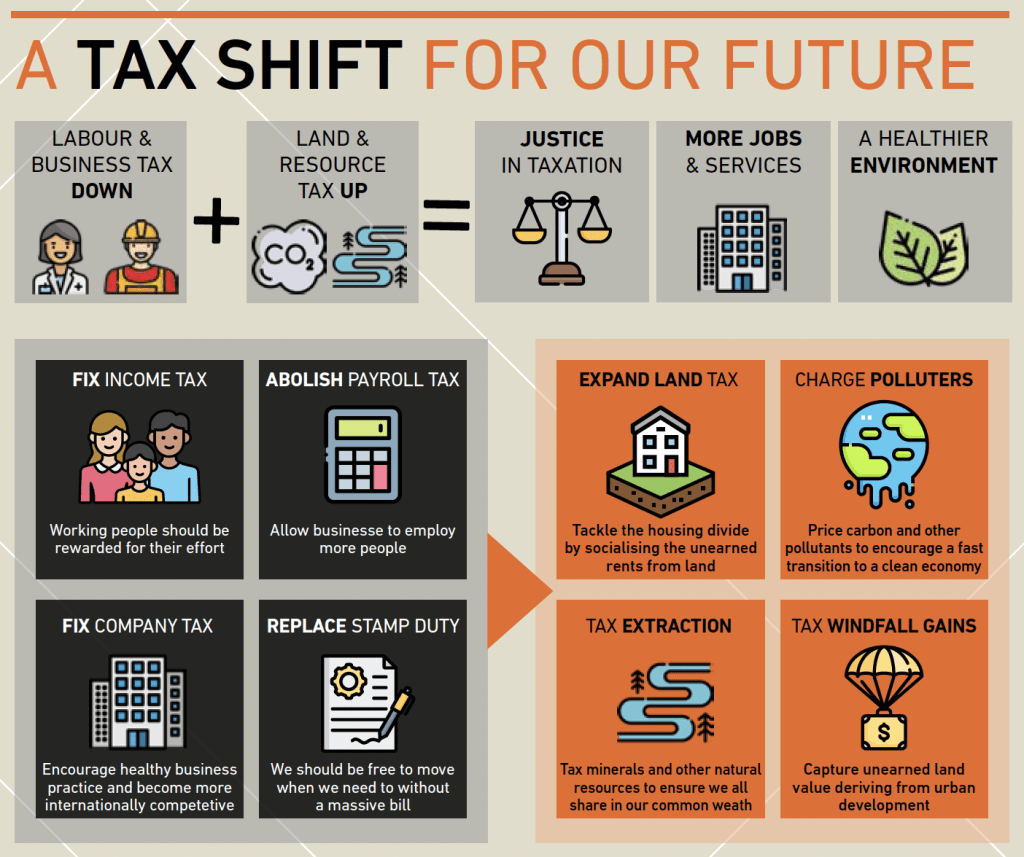
This shift would help tackle the housing crisis by socializing land rents, making land more affordable and ensuring the benefits of land ownership are shared by the community. Taxing pollution and resource extraction would protect the environment for future generations.
Prosper Australia’s vision draws from the Georgist principle that land belongs to the community. By restructuring taxes to reflect this, Prosper Australia believes this shift can reduce inequality, encourage innovation, and create a fairer, more sustainable economy that benefits all Australians.

 The Daily Renter
Leave a comment