
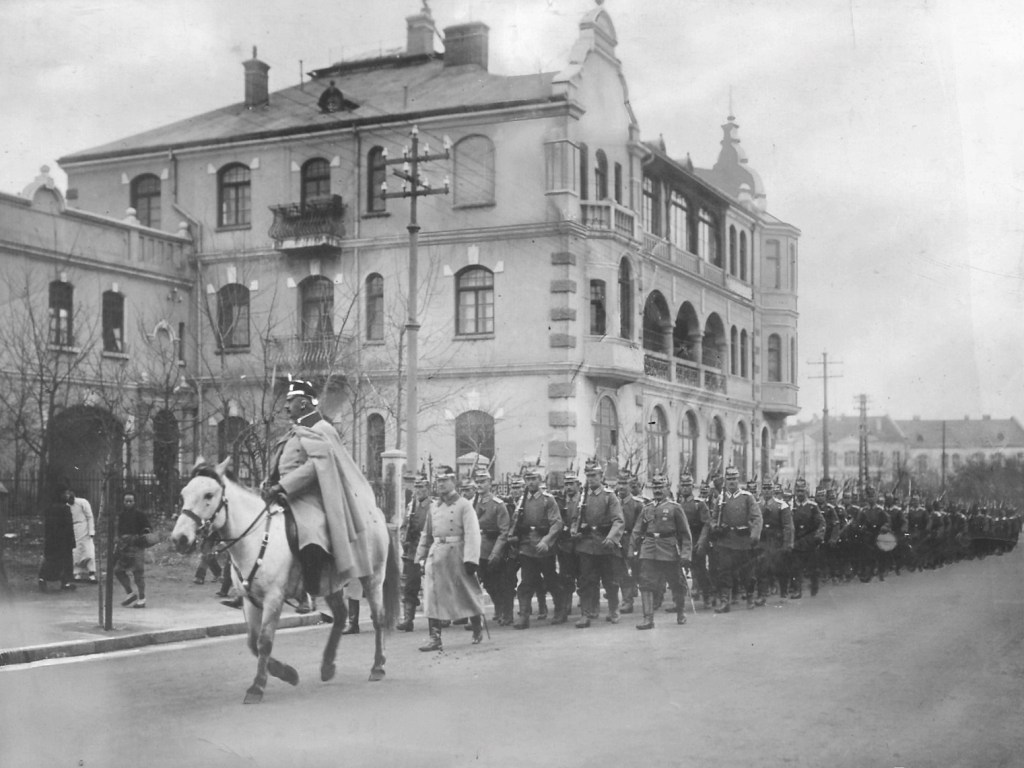
A retroactive edit: It has come to my attention that the German Colony of Kiaochow, while it did almost purely fund itself from land, did allow some other taxes to exist, even if they were minimal. Lars Doucet made a great article covering Kiaochow more in-depth, so be sure to check it out.
Introduction
The end of the 1800s was a time of remarkable change. The Progressive Era was in full swing as the masses called out for sweeping social reforms, a retaliation to the suffering that had accompanied the Gilded Age for several decades up to the turn of the century. As part of the growing tides of change came several legendary figures who encapsulated the era of progress: Theodore Roosevelt, Jacob Riis, John Muir, and last but not least, Henry George.
While George isn’t as well known today, his impact in the late 1800s and early 1900s could not be understated. He argued that the income of resources which are non-reproducible, be it by the laws of nature (e.g. land) or the laws of the government (e.g. patents), should be taxed or dismantled, and any revenue collected be used to replace taxes on the production of goods and services. His works inspired millions in the quest for a better future.
Some historical figures who have been inspired, in some part, by George’s writings include Leo Tolstoy, Winston Churchill, Jose Marti, and Sun Yat-Sen.
As it relates to Sun in particular, few know about his dedication to Henry George, while even fewer know about one of the seminal experiences that inspired his beliefs. It happened in a little-known colony that only lasted 17 years.
Schrameier Senses a Problem
Kiaochow was a colony controlled by the German Empire, located in the modern day Chinese province of Shandong with its capital of Tsingtau now forming a part of modern day Qingdao. Situated on a bay and with access to the ocean, the colony served strategic importance to the Germans by granting them a foothold in China; and like other German colonies of the time, its population and economy was growing.
As part of this growth came an increase in the value of the land within the colony. Owing to land’s non-reproducible nature, landowners within the growing colony could make tremendous profits off hoarding increasingly valuable plots and holding them out of use, at the cost of all excluded from that withheld land. Kiaochow was no different, and land speculation began plaguing the colony.
Clearly, change was required, and along with speculation came calls for reforms to the colony’s land system. The primary author of that change would be a young officer by the name of Wilhelm Schrameier.

Schrameier, sensing the problem of rampant speculation, knew immediately whose ideas to call upon to find a solution. There was no better solution to the land problem than the one laid out by George in his writings, a land value tax (LVT).
As Schrameier himself describes it, an act referred to as the Land Ordinance was created shortly after the colony’s founding to deal with the land issues described before. The stipulation that would heavily resolve Kiaochow’s land problems was a 6% land value tax on the selling price of a piece of land, re-evaluated often enough to keep in step with increases in land prices. Another major stipulation was a 33.5% tax on the increase in land values after 25 years, but with the colony lasting only 17 years, the policy never got to be carried out.
The Land Ordinance would be a resounding success. The 6% LVT successfully ended land speculation in the colony, letting it grow strongly with a massive burden off its back while also serving as Kiaochow’s only source of revenue. Little to no taxes on work or investment were levied (barring some small charges like for dog licenses) due to the revenue brought in from the land, meaning the colony’s workers and business owners could fully keep the income of their contributions to the economy.
This isn’t to say that all burdens were lifted though, Kiaochow was still the result of imperialist ambitions; and one particular aspect of German policy that was anathema to the spirit of George was the exploitation of the colony’s natural resources without compensation to locals.
However, the experience of prosperity was still felt in relation to the use of land in the colony. This prosperity would eventually find its way to the founding father of independent China, Sun Yat-Sen.
Sun Yat-Sen Sees the Results
Sun made a visit to Kiaochow, more specifically Tsingtau, in September of 1912. He had already been acquainted with George’s ideas; but this particular visit would give him the chance to see the effects of George’s most popular policy proposal in practice.

What he saw would impress him heavily. His experience in Tsingtau would leave a lasting impact on his visions of a modern China, declaring it a “model for China’s future”. Unfortunately, he died before his ideas could be carried out in full, and with the Chinese civil war pitting Sun’s successors in the Kuomintang Party (KMT) against the Communists led by Mao Zedong, the end result of his ideas would be far from where they started.
The KMT was eventually forced onto the island forming modern day Taiwan. Despite their loss, they continued on with Sun’s wishes for a land value tax to form a major source of government revenue, implementing it as part of land reforms. The result played a strong role in aiding the Taiwan Miracle, a time of tremendous economic growth for the island.
A Legacy that Deserves to be Remembered
Kiaochow was a colony whose land policies, reminiscent of what Henry George advocated, deserve much more attention and focus than they have been given. A part of that can be explained by the colony’s very short lifespan. Its time with the Germans started in 1897 and ended in 1914, after it was lost to the Japanese in World War 1.

In spite of that, the colony serves as a testament to the successful applications of a land value tax, and its potential to thoroughly resolve many of the issues modern countries face with land misuse, be it on farms or in cities.
So, to any who may read this article, be sure to remember the story of Kiaochow, and the success it felt adopting the ideas most strongly espoused by Henry George. A land value tax has worked before, and it can certainly work again.

 The Daily Renter
Leave a comment