
“Nothing can be said to be certain, except death and taxes.”
Feared by many and burdensome to most, taxes are usually tolerated as a necessary evil for the upkeep of society. Without taxation, government functions would cease, and the public goods and services that many people rely on would disappear. And worst of all, the politicians would be out of work!
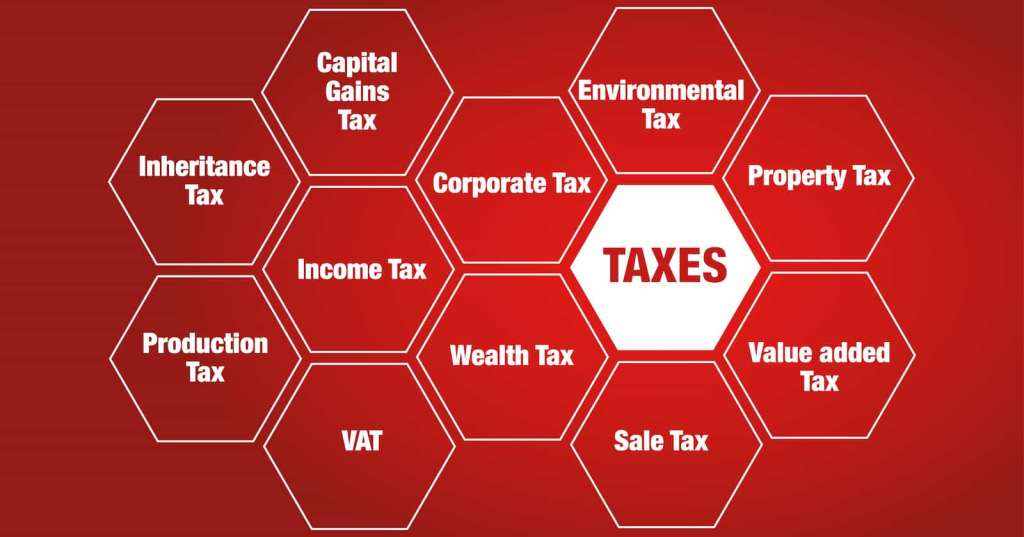
In the modern day, there seems to be a tax for everything; out of all the taxes in the world, surely some are better than others — less burdensome, less arbitrary, more efficient, more just. In this new series, we will explore the various taxes levied in the modern day and determine whether they are a net benefit to society or not. So before we dive in, let us go over the standard a tax should be judged by.
First and foremost, taxes should be just. All taxes should be justifiable and non-arbitrary. Their reason for existing goes beyond “funding the government” alone. Just taxes make them less likely to be misconstrued as theft and garner less detractors.
Secondly, taxes should be fair. Individuals or groups should not have taxes bear more harshly on them; likewise, taxes should not favor some over others. This does not mean that all citizens should pay the same amount of tax, but taxes should affect all citizens equally.
Thirdly, taxes should be light. If a tax equally burdens all citizens a lot, it only multiplies their woes. Therefore, taxes should only take what is necessary and minimize adverse downstream effects on things like production and consumption.
Next, taxes should be simple. Complexity in tax codes means time and resources are needed to resolve disputes and enforce tax collection, diminishing the efficacy of taxation. Complex payment procedures invite evasion from those who can pay specialists to exploit loopholes and file the paperwork.
Last but not least, taxes should be certain. Each year, governments, businesses, and individuals need to account for their income and expenses in a budget. If a tax is calculated based on something uncertain or unpredictable, buffer room is required in a budget. The funds required to account for unexpected shortfalls reduce the productive work that can be done in the economy.
So, now that we’ve looked at what makes a tax good or bad, we can then decide which taxes to lean more on and which ones to get rid of. Thus, building a better economy where all have equal opportunity and minimal tax burdens. In the following articles, we will analyze the pros and cons of common modern-day taxes based on how just, fair, light, simple, and certain they are. Then we can make conclusions about whether they are net positives or net negatives to society. If better alternatives exist, why not replace the inferior tax with the superior tax?
The first part on the chopping block for this series adds a price tag to your shopping cart: consumption taxes.


 The Daily Renter
Leave a reply to A Taxonomy of Taxation: Consumption Taxes – The Daily Renter Cancel reply